When Scribbles Became Art
Rea,
Remember in Austin how we’d see “Buscar” written everywhere - on walls, bridges, even trash cans? You probably wondered why someone would just scribble the same word over and over. Here in Bristol, we’re seeing something similar but different - and the story of how people learned to tell the difference changed how the world sees street art.
That repetitive writing you saw in Austin is called “tagging” - it’s like a signature that graffiti writers use to mark their territory. The goal is simple: get your name seen as many places as possible, as quickly as possible. Most tags take about 30 seconds to spray, which is why they often look like scribbles to people who don’t understand the code.
Graffiti artists actually follow unwritten rules. Don’t tag over someone’s elaborate artwork - only over other simple tags. Don’t mark houses, cars, or small businesses. Respect the hierarchy: detailed art beats simple pieces, simple pieces beat tags. Historic buildings are usually off-limits. These rules help separate artists from vandals, even in an underground world.
In the 1990s, a teenager in Bristol started as a tagger but evolved into something different. Instead of just writing his name quickly, he began creating stenciled images with messages. This artist, who called himself Banksy, chose walls that enhanced neighborhoods rather than damaged them. His pieces took hours instead of seconds, and they made people think instead of just marking territory.
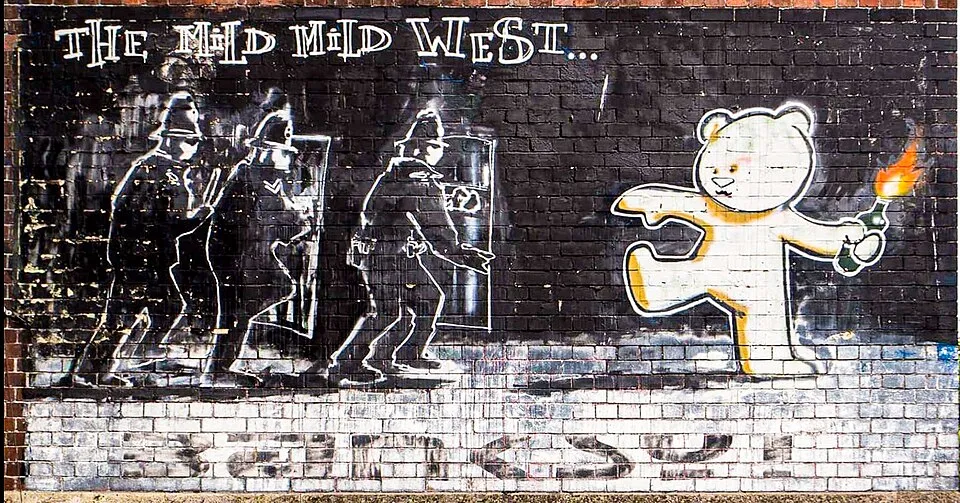
The turning point came in 1999 when Banksy painted “Mild Mild West” on a Bristol building. Instead of angry complaints, people started taking photos. The piece showed a teddy bear throwing a Molotov cocktail at riot police - a playful but serious comment about authority and rebellion. Suddenly, Bristol realized these weren’t just scribbles anymore.
Today, Bristol protects several Banksy pieces with plexiglass while painting over random tags. The city discovered that Banksy’s art brings over 100,000 tourists annually. His “Devolved Parliament” painting sold for £12 million in 2019. The difference wasn’t just about permission - it was about intention, skill, and whether the artist was adding something meaningful to the community.
The lesson Bristol learned applies everywhere: the difference between vandalism and art isn’t always obvious at first glance. Tags are about the artist getting noticed. Art pieces are about sharing ideas that matter to everyone.
Love, Abba
P.S. Next time you see graffiti, try to figure out: Is this someone trying to say something important, or just trying to get their name seen? The difference might surprise you.