When Paris Chose Beauty Over Speed
Rea,
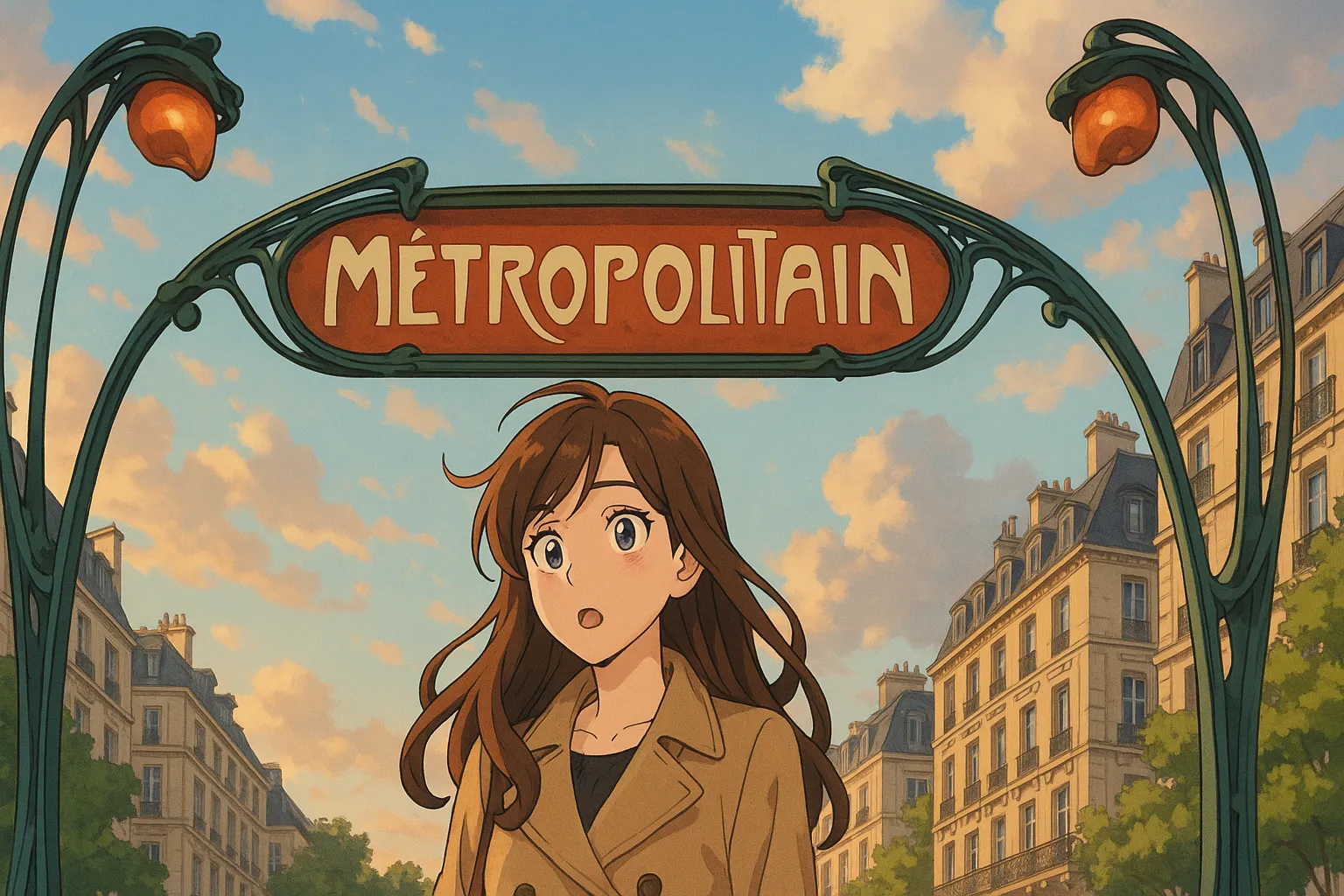
Remember yesterday when we walked down into Les Invalides Metro station? All that beautiful tilework and those curved, flowing entrance designs that look like giant flowers made of metal - so different from the subway stations in New York.
In 1898, Paris faced a problem. London had built the world’s first subway 35 years earlier, and it worked perfectly well. Dark tunnels, steam trains, purely functional stations that got people from point A to point B. New York was planning something similar - focused on speed and moving as many people as possible.
But Paris had a dilemma. This was the city of art, fashion, and beauty. Should they simply copy what worked elsewhere, or try something completely different?
The debate split the city council. Engineer Fulgence Bienvenüe argued for efficiency - build it fast, build it cheap, focus on moving people quickly. But artist Hector Guimard had a different vision. “Why should beautiful Paris have ugly transportation?” he asked. “People spend time in these stations every day. Why not make them beautiful?”
Most cities would have chosen the practical approach. Paris chose both.
Guimard designed those flowing Art Nouveau entrances you saw yesterday - the ones that look like metal plants growing from the sidewalk. Parisians initially called them “dragonfly style” and complained they looked too much like insects. The stations themselves became underground art galleries, with colorful tiles and elegant curves.
Paris also made a second choice that set it apart from London and New York: accessibility over pure speed. Instead of long distances between stations, Paris put stops every 500 meters maximum. That’s why the Metro stops so frequently - no point in Paris is more than a six-minute walk from a station.
When the Metro opened in July 1900 during the World’s Fair, visitors from around the world were amazed. They called it “the beautiful subway.” Those same “ugly” dragonfly entrances that Parisians had complained about became the most photographed symbols of the city.
The impact spread worldwide. Cities began realizing that public transportation could be both efficient and beautiful. Tokyo, Moscow, and dozens of other cities started designing their subways as works of art, not just functional tunnels.
Paris proved that you don’t have to choose between working well and looking good. Like a watch that keeps perfect time while also being beautiful to wear, the Metro showed that the best solutions often combine function with beauty rather than sacrificing one for the other.
Love, Abba